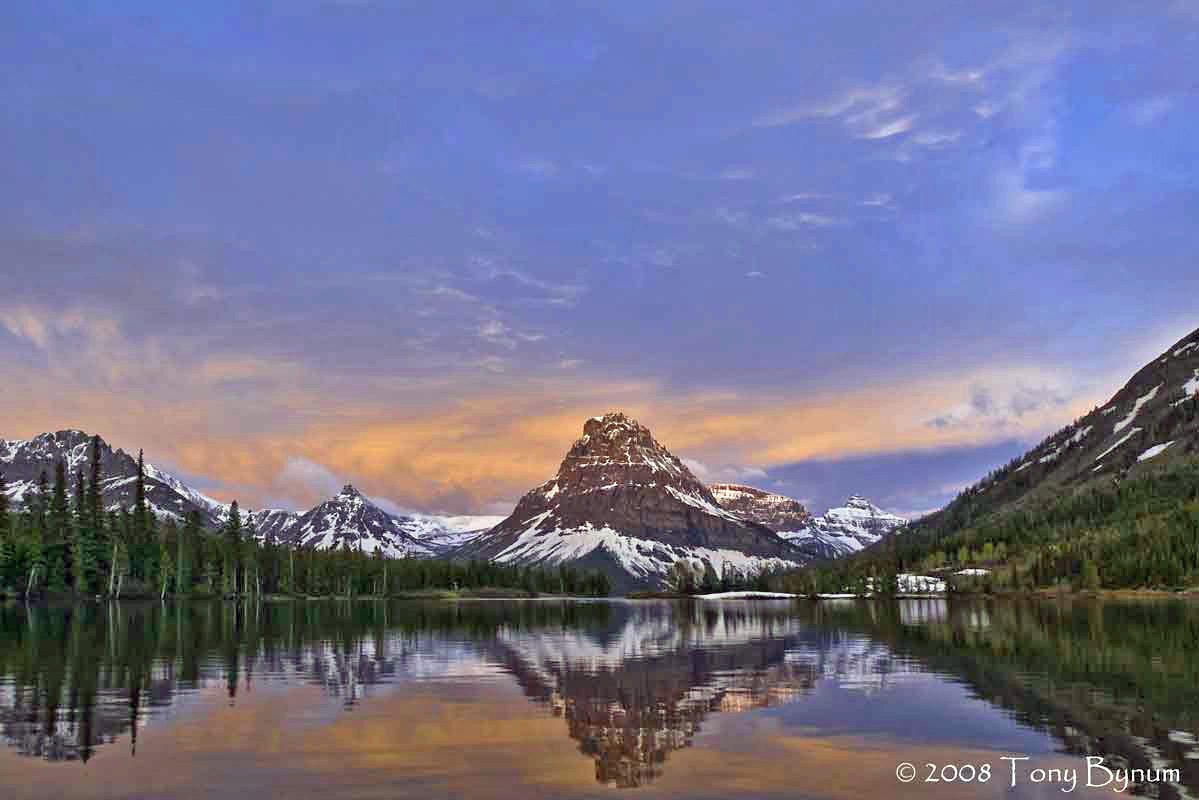
Yellowstone’s landscapes reward photographers who plan around light rather than just showing up at midday with a camera.
Shoot at the Edges of the Day
The hour after sunrise and before sunset produces the softest, most dramatic light on both landscapes and wildlife. Midday sun tends to flatten colors and create harsh shadows on geyser basins and open valleys.
Working With Steam and Geysers
Morning cold makes geothermal steam more visible and dramatic, especially when backlit. Position yourself with the sun behind or to the side of a geyser basin for the strongest effect.
Composition Tips
- Include a foreground element, like a tree or rock, to add depth to wide valley shots.
- Use a telephoto lens to compress mountain layers in the distance.
- Keep wildlife small in the frame when shooting a wide landscape to show scale and habitat.
Bring the Right Gear
A wide-angle lens covers most geyser basin and valley shots, while a telephoto lens is essential for wildlife. Our Wildlife Photography Safari is built specifically around giving photographers time at each stop to work the light.
Protecting Your Gear
Geothermal areas carry moisture and mineral spray that can be hard on camera equipment, so a basic lens cloth and a dry bag are worth carrying. Cold mornings also drain batteries faster than usual, so bring a spare if you’re shooting at sunrise.
Patience Over Gear
The photographers who come home with the strongest images are usually the ones willing to wait at one location rather than rushing between a dozen stops. A good tripod and a willingness to stay put for the light to change often matters more than an expensive lens.